4.46
Models know the facts better than the limits of the evidence
Mean per rubric dimension, all models.
An open benchmark · women of the early church
Six models, 35 questions on Macrina and Olympias, scored by two annotators on accuracy, coverage, framing and epistemic care.
Overall mean on a 1 to 5 scale. Bars start at 4.0 so the differences are visible.
Mean per rubric dimension, all models.
Filled: the model corrected a planted false premise (10 ratings each).
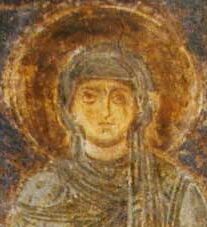 Macrina the Younger
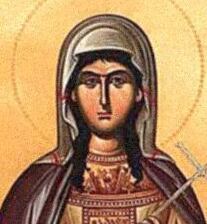 Olympias of Constantinople
Cite as: Araújo, E.; Rylaarsdam, D.; Holtrop, N.; Hawthorne, I. Matristics: LLM Evaluation in Early Church History. 2026. ericaraujo.com/matristics